

Archaeologists are shedding gentle on the astonishing identification of two 18th-century slave ships off the coast of Central America.
The ships, named Fridericus Quartus and Christianus Quintus, have been sitting in shallow waters off Costa Rica’s Cahuita Nationwide Park for over 300 years, as Fox Information Digital beforehand reported.
The 18th-century vessels have been shipwrecked in 1710, and archaeologists solely not too long ago found that the ships – lengthy believed to be pirate ships – have been used to move slaves.
Now, in an announcement to Fox Information Digital, Nationwide Museum of Denmark archaeologist David John Gregory mentioned the 2 ships carried between 600 and 700 African slaves on the time of the sinking, plus round 100 crewmen.
GARDEN OF EDEN’S TRUE LOCATION ‘CAN ONLY BE’ AT UNUSUAL TOURIST LANDMARK, NEW ARGUMENT CLAIMS
“When the ships have been deserted on the coast of present-day Costa Rica, virtually all the enslaved have been launched on the forested coast apart from about 20 folks, who have been pressured onboard smaller vessels heading for the close by Spanish city of Portobello,” he mentioned.
Gregory added, “[Fridericus Quartus] was set on hearth by its crew, whereas the opposite, Christianus Quintus, was let loose from its moorings and shortly after stranded on the coast.”
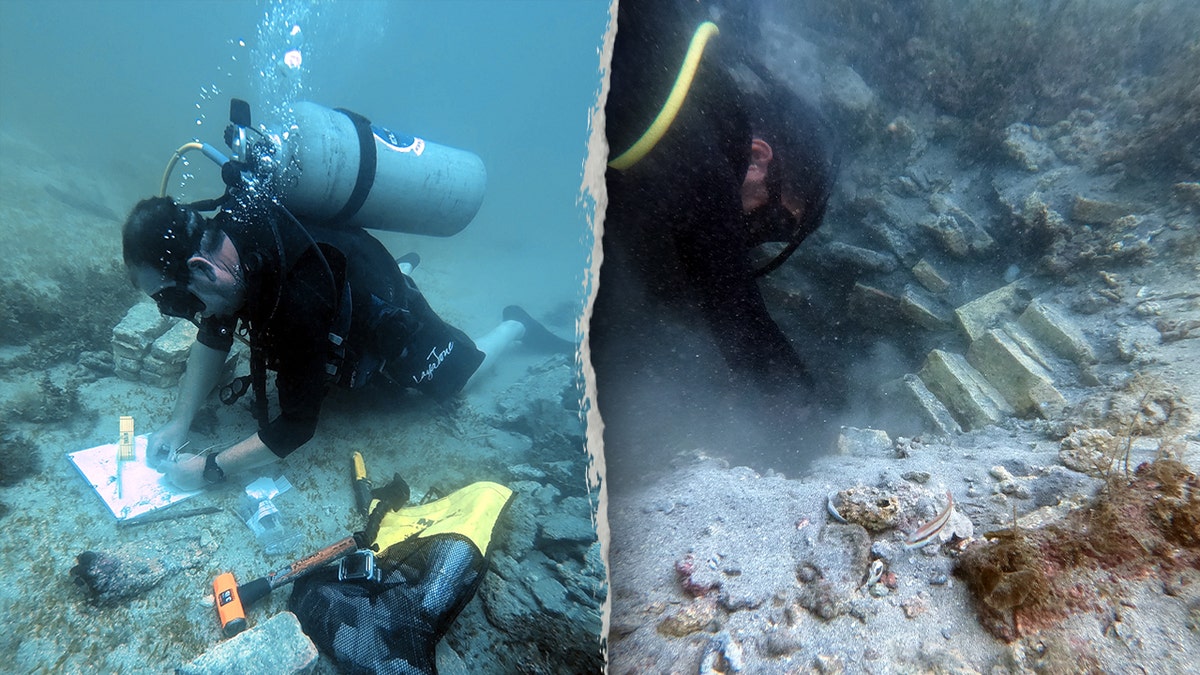
New particulars have been revealed about two not too long ago recognized slave ships. (Jakob Olling; Ana María Arenas Moreno)
The slaves – principally of West African origin – both assimilated into native communities or have been, sadly, recaptured, in keeping with East Carolina College.
ARCHAEOLOGISTS UNCOVER CENTURIES-OLD SHIPWRECK BENEATH HISTORIC CITY: ‘UNIQUE SOURCE OF KNOWLEDGE’
Gregory additionally described his group’s excavation as “minimal,” saying they solely searched some 21 sq. ft across the ship “particularly to acquire samples of the ship’s timber.”
“Virtually all the enslaved have been launched on the forested coast.”
He added, “No human stays have been encountered [or] disturbed throughout the excavation course of.”
ARCHAEOLOGISTS UNEARTH STRANGE HEAD DEPICTING ROMAN GOD BENEATH CATHOLIC BASILICA
Archaeologists have been capable of date the ships because of dendrochronological know-how, discovering that the wooden got here from Northern Europe on the finish of the seventeenth century.

No human stays have been discovered on the excavation website, mentioned a Nationwide Museum of Denmark archaeologist. (Nationwide Museum of Denmark)
“The timbers originate within the western a part of the Baltic Sea, an space that encompasses the northeastern German province of Mecklenburg, in addition to Schleswig-Holstein, Denmark and Scania — and that the tree was reduce down someday throughout the years 1690-1695,” the Nationwide Museum of Denmark mentioned in an announcement.
For extra Life-style articles, go to foxnews.com/way of life
“The wooden is, furthermore, charred and sooty, which confirms what historic sources say about one of many ships being set ablaze.”
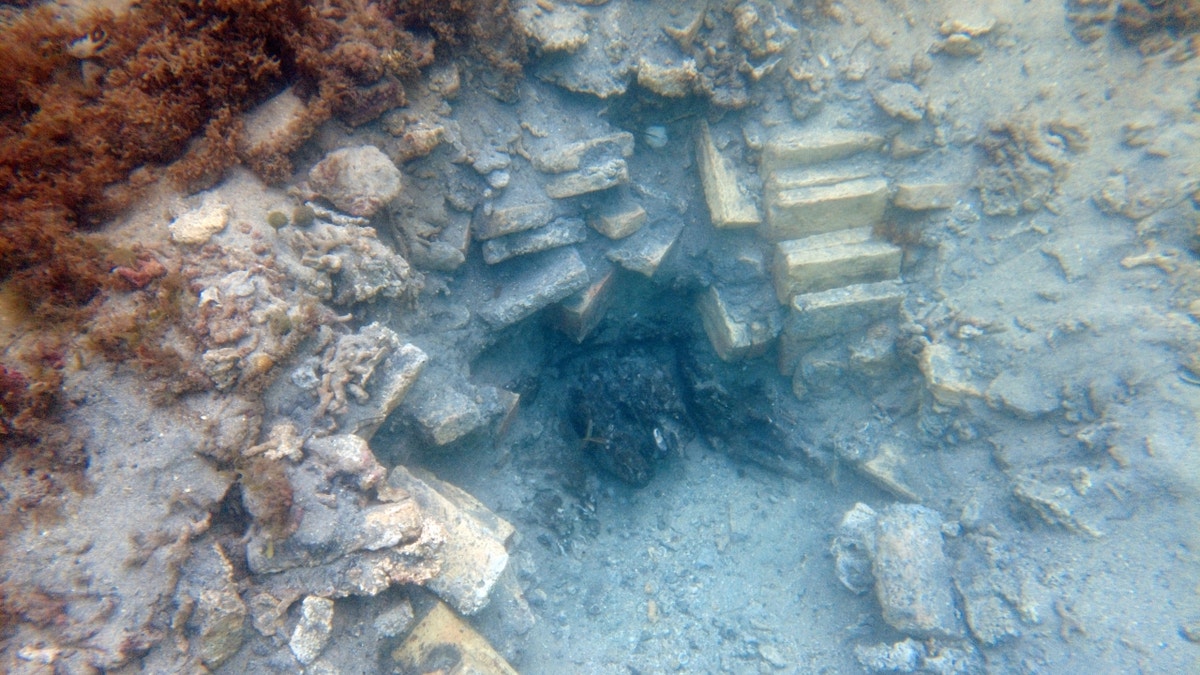
Consultants recognized the shipwreck after testing its wooden, in addition to the clay bricks it carried. (John Fhær Engedal Nissen / Nationwide Museum of Denmark)
Divers additionally discovered yellow clay bricks and clay piping, which all urged the ships had a Danish origin.
Gregory beforehand mentioned in an announcement that the findings “match completely” with historic accounts of the ships.
CLICK HERE TO SIGN UP FOR OUR LIFESTYLE NEWSLETTER
“The analyses are very convincing and we not have any doubts that these are the wrecks of the 2 Danish slave ships,” the professional noticed.
Nationwide Museum of Denmark marine archaeologist Andreas Kallmeyer Bloch described the challenge as being “the craziest archaeological excavation I’ve but been a part of.”
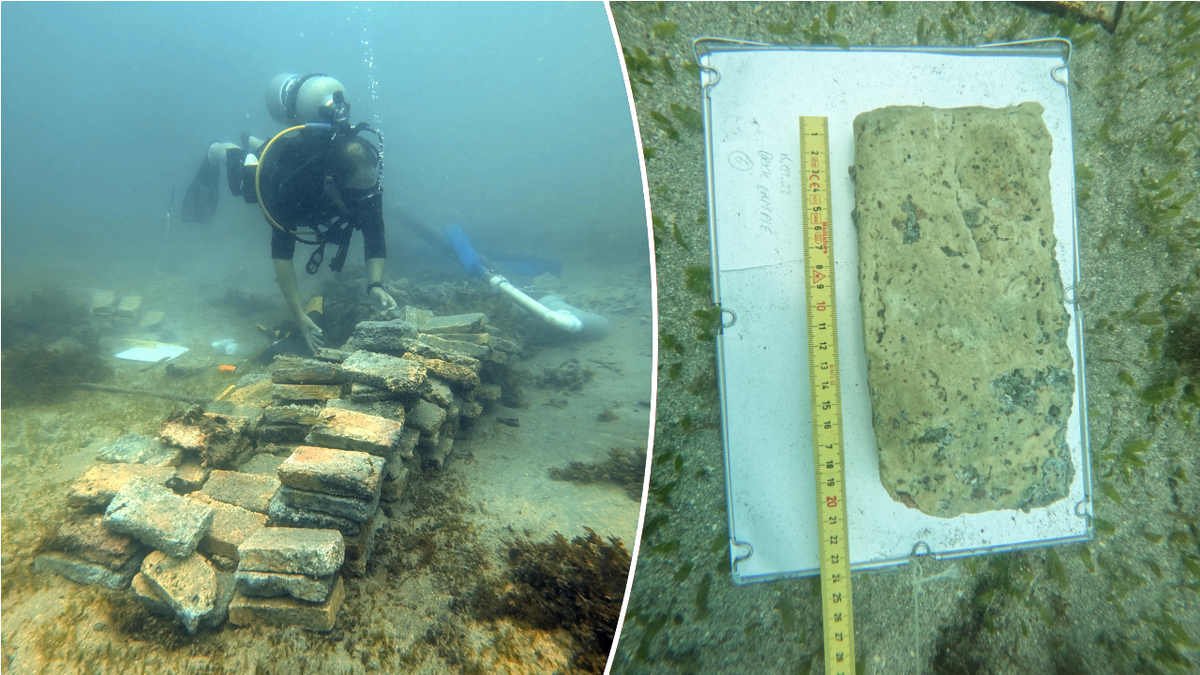
Researchers discovered that the yellow clay bricks from the shipwreck got here from Denmark. (Jakob Olling; Nationwide Museum of Denmark)
“Not solely as a result of it issues enormously to the native inhabitants, but in addition as a result of it’s one of the dramatic shipwrecks within the historical past of Denmark, and now we all know precisely the place it occurred,” he mentioned.
CLICK HERE TO GET THE FOX NEWS APP
“This supplies two items which have been lacking from the historical past of Denmark.”